
Introduction
Tesla Smart Preconditioning is an intelligent vehicle preparation feature designed to improve driving comfort, battery performance, and charging efficiency. Electric vehicles operate differently from traditional petrol and diesel cars because their batteries perform best within a suitable temperature range. Extremely cold or hot conditions can affect battery efficiency, charging speed, and driving range. Tesla addresses these challenges through advanced thermal management and climate control technology. By preparing the cabin and high-voltage battery before a journey begins, Tesla helps drivers enjoy a more comfortable and efficient experience. Understanding how Tesla Smart Preconditioning works can help owners make better use of their vehicles, especially during changing weather conditions and long-distance journeys.
What Is Tesla Smart Preconditioning?
Tesla Smart Preconditioning refers to the intelligent preparation of a Tesla vehicle before driving, particularly through cabin climate control and battery temperature management. The purpose is to bring important vehicle systems closer to suitable operating temperatures before the driver begins a journey. This can involve warming the battery during cold weather, cooling or heating the cabin, and preparing the battery for improved charging performance. Tesla offers several related functions, including scheduled preconditioning, remote climate control, and automatic battery preparation when navigating to compatible Supercharger locations. These functions work together to improve convenience and efficiency, although their availability and operation can differ depending on the vehicle model, software version, and environmental conditions.
The History Behind Tesla Smart Preconditioning
Tesla introduced intelligent climate preparation as part of its wider effort to make electric vehicles more convenient for everyday drivers. Earlier Tesla software included a feature called Smart Preconditioning (Beta), which focused on learning driving routines and preparing the cabin according to regular schedules. The original concept was designed to recognize when a driver might need a comfortable vehicle and activate climate preparation accordingly. Over time, Tesla developed more advanced thermal management and scheduling capabilities. Modern Tesla vehicles offer functions such as scheduled preconditioning, scheduled departure, remote climate control, and automatic battery preparation for charging. Therefore, the original Smart Preconditioning Beta feature should not be confused with every modern preconditioning function available in current Tesla vehicles.
How Tesla Smart Preconditioning Works
Tesla preconditioning operates through the vehicle’s climate control and thermal management systems. These systems manage cabin temperature and battery temperature according to driving requirements and environmental conditions. When a driver schedules a departure, the vehicle calculates when preparation should begin so the cabin and battery can reach more suitable conditions by the selected time. Depending on the model, the system may use heating, cooling, a heat pump, or other thermal management components. This preparation requires electricity, but connecting the vehicle to an external charger can help reduce the amount of stored battery energy used. The process is designed to make the vehicle more comfortable and ready for driving without requiring constant manual adjustments.
Understanding Tesla Battery Preconditioning
Battery preconditioning is one of the most important aspects of Tesla’s temperature management technology. Lithium-ion batteries do not perform equally well at every temperature. When a battery becomes extremely cold, its ability to deliver power and accept charging energy can be temporarily restricted. Drivers may notice reduced regenerative braking, limited acceleration, or slower charging speeds. Battery preconditioning helps bring the high-voltage battery toward a more suitable operating temperature. During cold weather, this generally involves warming the battery before driving or charging. Tesla can also prepare the battery automatically when a compatible charging destination is selected through navigation. This helps improve charging readiness while allowing the vehicle’s battery management system to protect battery performance.
Cabin Preconditioning and Interior Comfort
Cabin preconditioning prepares the interior of a Tesla before passengers enter the vehicle. During winter, it can warm the seats, steering area, windows, and interior air to create a comfortable environment. During summer, remote climate control can cool an overheated cabin before departure. Drivers can use the Tesla mobile application to activate climate control and adjust the desired temperature remotely. Scheduled preparation is especially useful for people who leave home at approximately the same time every morning. Instead of entering an extremely hot or cold vehicle, passengers can begin their journey in more comfortable conditions. Climate preparation can also help clear frost and improve visibility when appropriate defrost functions are used.
Tesla Smart Preconditioning in Cold Weather
Cold weather is one of the situations in which Tesla preconditioning provides significant practical benefits. Low temperatures can reduce available battery performance and temporarily limit regenerative braking. A cold battery may also require additional preparation before accepting energy at higher charging rates. Tesla recommends warming the vehicle before departure and leaving it plugged in whenever possible during freezing conditions. Scheduled preconditioning can prepare the cabin and battery for a planned journey, while driving itself can gradually warm the battery. The touchscreen may display a blue snowflake symbol when the battery is too cold for full performance. This symbol normally disappears as the battery temperature increases and the vehicle becomes ready for normal operation.
Tesla Smart Preconditioning in Hot Weather
Preconditioning is not limited to winter driving. High summer temperatures can also create challenges for electric vehicles, particularly when a car remains parked outdoors in direct sunlight. Cabin preconditioning allows drivers to activate cooling before entering the vehicle, reducing discomfort during the first part of a journey. Tesla also provides additional hot-weather functions, including Cabin Overheat Protection, which helps manage interior temperatures while the vehicle is parked. However, cabin cooling and battery thermal management are separate functions. The vehicle can manage battery temperature independently when necessary. Parking in the shade, using a sunshade, and keeping the vehicle connected to charging when practical can further help manage energy consumption in hot conditions.
How to Enable Tesla Smart Preconditioning
The exact process depends on the Tesla model, software version, and available features. For scheduled preconditioning, owners can generally use the vehicle touchscreen or Tesla mobile application. On supported vehicles, the touchscreen provides access through Controls > Schedule, where drivers can select a location, departure time, days, and preconditioning preferences. In the Tesla app, the Schedule section provides similar options where supported. Owners can also open the Climate section to activate heating or cooling manually. It is important to understand that a historical Smart Preconditioning Beta setting may not appear on newer vehicles. Drivers should consult the owner’s manual displayed in their vehicle for instructions that match their particular software version.
Using the Tesla App for Remote Preconditioning
The Tesla mobile application makes vehicle preparation more convenient by allowing drivers to manage climate settings remotely. After opening the application and selecting their vehicle, owners can access the Climate section to activate heating, cooling, or defrost functions, depending on vehicle configuration. This is useful when the weather changes unexpectedly or when a driver needs to leave earlier than planned. Remote climate activation means drivers do not need to sit inside the vehicle and operate the touchscreen. However, the vehicle needs sufficient power and connectivity for the requested command to work. Owners should also remember that extended climate operation consumes electricity, particularly when the vehicle is not connected to an external charger.
Scheduled Departure and Automatic Preparation
Scheduled Departure is closely connected to Tesla’s preconditioning technology. Instead of manually activating climate control every morning, owners can select a preferred departure time. The vehicle then calculates when to begin preparing its cabin and battery. This is particularly useful for commuters, families, and drivers with consistent daily routines. Scheduled charging can also be coordinated with departure preparation, helping the vehicle finish charging closer to the time it is needed. In cold conditions, this approach can reduce the need to warm a battery that has cooled after an earlier charging session. Available scheduling options and their names can vary according to vehicle model, software version, and regional configuration.
Tesla Supercharger Battery Preconditioning
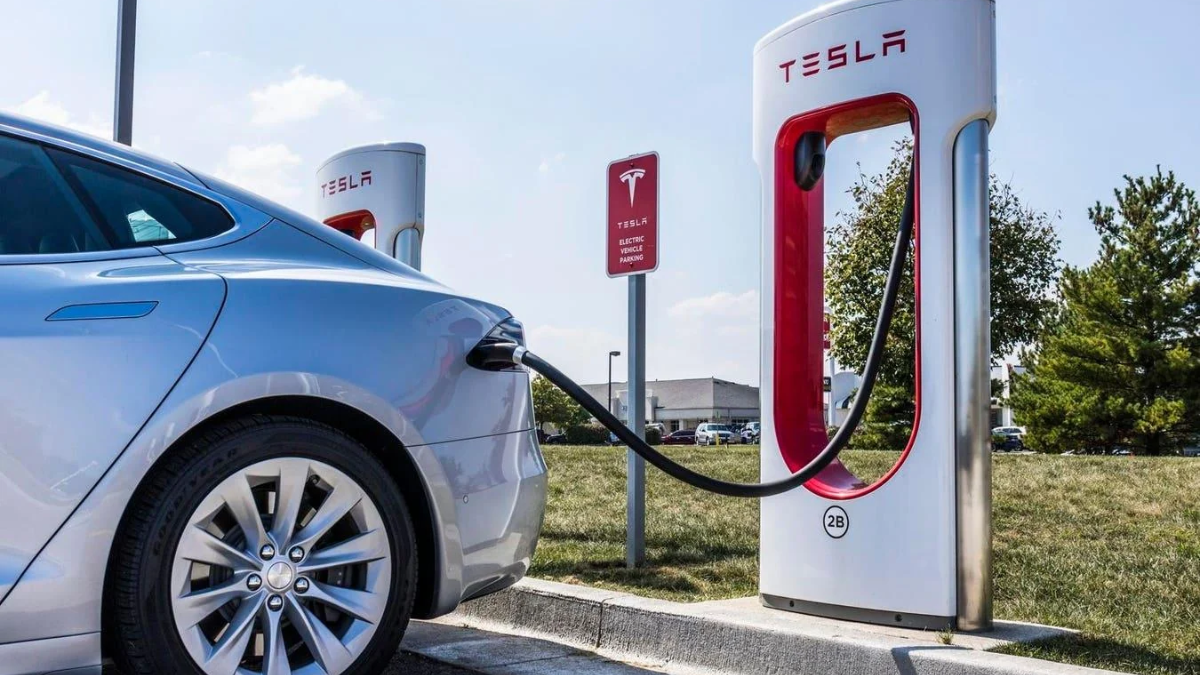
One particularly useful function is automatic battery preparation when navigating to a Tesla Supercharger. When the driver selects a compatible Supercharger as the navigation destination, the vehicle can begin adjusting battery temperature before arrival. This process helps prepare the battery for faster DC charging. Without suitable preparation, a cold battery may accept energy more slowly because the battery management system protects the cells. Tesla’s Trip Planner can also provide information about charging stops and estimated battery energy remaining on arrival. Tesla recommends using navigation to a charging location approximately 30–45 minutes before arrival, when practical. Actual preparation time depends on battery temperature, weather, vehicle configuration, and driving conditions.
Benefits of Tesla Smart Preconditioning
Tesla preconditioning offers several advantages for everyday electric vehicle ownership. First, it improves cabin comfort by preparing the interior before passengers enter. Second, battery temperature preparation can support better performance in cold weather. Third, preparing the battery before reaching a fast charger can help reduce charging delays caused by unsuitable battery temperatures. Scheduled preparation also makes daily driving more convenient because owners do not need to activate climate control manually every time. Another advantage is that when the vehicle is connected to an external power supply, some of the electricity required for preparation can come from the charger instead of the battery. These benefits make preconditioning a useful part of modern electric vehicle technology.
Does Tesla Smart Preconditioning Improve Driving Range?
Preconditioning can help improve the energy efficiency of a journey, but it does not create additional battery capacity. When the cabin and battery are prepared before departure, the vehicle may need less energy to reach suitable operating conditions while driving. This can be particularly useful in cold weather, when heating an extremely cold interior and battery can increase energy consumption. Tesla explains that preconditioning can reduce energy consumption during driving, particularly in vehicles equipped with heat pumps. However, the overall result depends on outside temperature, journey length, vehicle configuration, and whether the vehicle is plugged in during preparation. Owners should not expect a guaranteed percentage increase in driving range from using this feature.
Does Preconditioning Consume Battery Energy?
Yes. Heating or cooling the cabin and managing battery temperature require electricity. If the vehicle is not connected to an external power supply, some or all of the energy needed for preconditioning may come from its high-voltage battery. This can reduce the displayed remaining range before driving begins. However, when the vehicle is plugged in, preconditioning can use electricity from the charging connection, helping preserve more stored battery energy for the journey. The actual amount of electricity consumed depends on the temperature difference, preparation duration, vehicle model, and thermal management system. For this reason, Tesla recommends keeping the vehicle connected whenever practical, especially when using climate features in extreme weather conditions.
Tesla Heat Pump Technology and Thermal Management
Modern Tesla vehicles equipped with heat pumps use advanced thermal management to improve heating efficiency. A heat pump can transfer heat rather than relying entirely on traditional electric resistance heating. This allows the vehicle to use available thermal energy from different components to help warm the cabin and battery. Tesla’s thermal management system coordinates heating and cooling requirements according to operating conditions. This is particularly valuable during colder journeys, when maintaining a comfortable cabin and suitable battery temperature can require significant energy. However, not every Tesla has identical thermal hardware. Model year, vehicle design, and equipment differences can affect how preconditioning operates. Owners should check their vehicle specifications before assuming a particular thermal feature is available.
Common Problems With Tesla Smart Preconditioning
Some Tesla owners may notice that preconditioning does not start when expected or that the cabin does not reach the desired temperature by departure time. Several factors can explain this behavior, including incorrect scheduling, low battery charge, extreme outdoor temperatures, connectivity problems, or differences in software configuration. A vehicle that is not plugged in may also have different energy restrictions than one connected to a charger. Drivers should check their scheduled departure time, selected location, climate settings, and charging connection. If the problem continues, reviewing vehicle notifications and the relevant owner’s manual can help identify the cause. Software updates or professional service support may be necessary if a persistent fault affects the thermal management system.
Best Practices for Using Tesla Smart Preconditioning
Drivers can get more value from Tesla preconditioning by following a few practical habits. Schedule departure preparation when daily travel times are predictable, and keep the vehicle connected to charging whenever possible. During winter, activate battery preparation before a charging stop by using the vehicle’s navigation system to select a Supercharger. In summer, use remote cabin cooling before entering a vehicle that has been parked in direct sunlight. Avoid unnecessarily long periods of climate operation when the car is unplugged, because this can consume stored energy. It is also useful to monitor the Energy app to understand how weather and climate systems affect consumption. These simple practices can make Tesla ownership more convenient and efficient.
Is Tesla Smart Preconditioning Worth Using?
For most Tesla owners, preconditioning is a useful feature because it addresses two important aspects of electric vehicle operation: comfort and temperature management. Drivers living in regions with freezing winters can benefit from preparing the battery and cabin before departure. Owners in hot climates can use remote cooling to make entering their vehicles more pleasant. Drivers who frequently use Superchargers can also benefit from automatic battery preparation through navigation. Nevertheless, preconditioning is not necessary before every short journey in mild weather. The best approach is to use the feature when environmental conditions or charging requirements make preparation worthwhile. Understanding its energy consumption helps drivers balance convenience, comfort, and efficiency.
The Future of Tesla Smart Preconditioning
Electric vehicle technology continues to develop, and intelligent thermal management is becoming increasingly important. As manufacturers improve battery chemistry, software, heat pumps, and vehicle energy management, preconditioning systems may become more efficient and responsive. Tesla already combines scheduled preparation, remote climate control, navigation-based battery conditioning, and other thermal management functions. These technologies demonstrate how software and hardware can work together to improve everyday vehicle operation. Future improvements may provide better energy predictions and more accurate temperature management, although specific developments should not be assumed until officially announced. For drivers, the important point is that understanding existing preconditioning functions can help them use their electric vehicles more effectively today.
Conclusion
Tesla Smart Preconditioning represents an important part of the technology that makes electric vehicles practical for everyday transportation. By preparing the battery and cabin before departure, Tesla helps drivers manage temperature-related challenges while improving comfort and charging readiness. Features such as scheduled preconditioning, remote climate control, and automatic battery preparation for Supercharging provide different ways to achieve this goal. Although the amount of energy saved or range gained varies according to weather, vehicle model, and driving habits, the technology offers meaningful everyday advantages. As electric vehicle systems continue to develop, intelligent thermal management will remain an important part of improving battery performance, charging convenience, and the overall ownership experience.
Frequently Asked Questions About Tesla Smart Preconditioning
What does Tesla Smart Preconditioning mean?
Tesla Smart Preconditioning refers to preparing a vehicle’s cabin and, when needed, its high-voltage battery before driving. It helps improve passenger comfort and battery operating conditions, particularly during extreme weather.
Does Tesla automatically precondition its battery?
Yes. Tesla can automatically prepare the battery in certain situations, particularly when the driver navigates to a compatible Supercharger using the vehicle’s navigation system. Other preparation functions depend on scheduling and vehicle configuration.
How long does Tesla battery preconditioning take?
There is no fixed preparation time. It depends on battery temperature, outdoor conditions, vehicle model, and charging requirements. Tesla recommends navigating to a charging location approximately 30–45 minutes before arrival when practical.
Does Tesla preconditioning use electricity?
Yes. Heating and cooling require electricity. When the vehicle is plugged in, preconditioning can use external power, helping preserve stored battery energy for driving.
Can I precondition my Tesla using the mobile app?
Yes. The Tesla app allows owners to activate cabin climate control remotely and use supported scheduling features. Available controls depend on vehicle configuration and software version.
Does preconditioning increase Tesla driving range?
It can help reduce the energy needed to warm the cabin and battery during a journey, particularly in cold weather. However, it does not increase battery capacity or guarantee additional driving range.
Should I precondition my Tesla every day?
Not necessarily. It is most useful when temperatures are very hot or cold, when you want a comfortable cabin before departure, or when preparing the battery for fast charging. In mild weather, it may not be necessary.





[…] major reason for the popularity of the sleepy girl mocktail is its simplicity. Many wellness trends involve expensive products, complicated instructions, or […]